
Understanding the psychology of gambling insights into decision-making and risk perception
The Role of Cognitive Biases in Gambling
Cognitive biases play a significant role in how individuals make decisions while gambling. One of the most prevalent biases is the illusion of control, where players believe they can influence the outcome of random games. This false sense of control can lead to increased gambling as individuals feel empowered, despite the reality that games of chance are inherently unpredictable. Many players find themselves exploring various platforms, such as https://reef33casino.com/, which offer diverse gaming options and experiences.
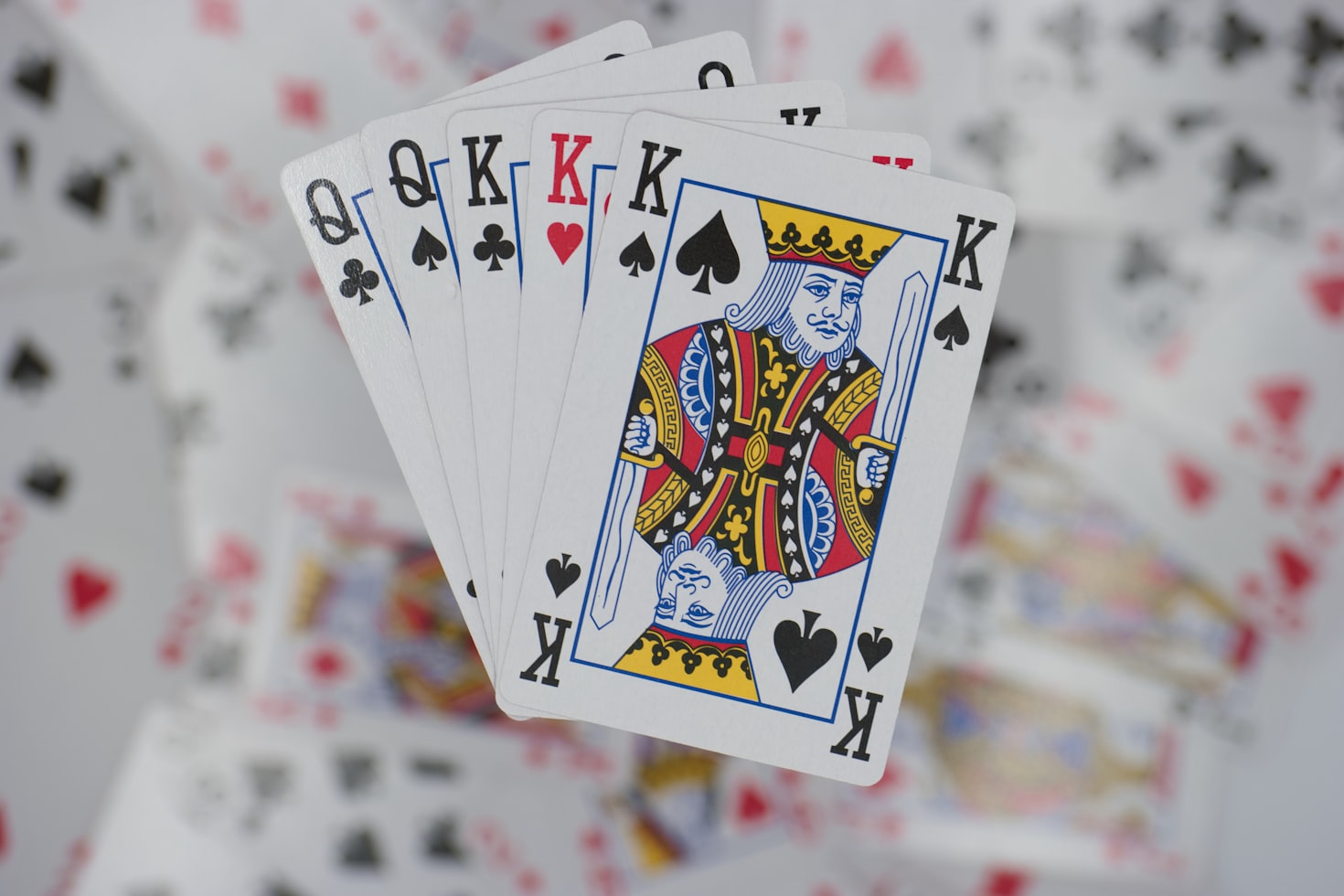
Another common bias is the gambler’s fallacy, which occurs when individuals think past events influence future outcomes. For instance, a player might believe that a slot machine is “due” for a payout after a series of losses. This misconception can drive continued investment in gambling activities, often leading to significant financial losses.
The Impact of Emotional Factors on Gambling Choices
Emotions are critical in shaping gambling behavior. Players often gamble to escape negative emotions such as stress, anxiety, or depression. This emotional escape can create a cycle where gambling serves as both a coping mechanism and a source of further stress, especially when losses accumulate. Recognizing this relationship is essential to understanding the broader implications of gambling.
Additionally, positive emotions can enhance the gambling experience. The thrill of winning can lead to euphoric feelings that reinforce the desire to gamble. Understanding these emotional triggers is essential for recognizing why individuals may continue gambling, even when it leads to detrimental consequences.
The Social Dimensions of Gambling Behavior
Gambling is not solely an individual activity; it often occurs within social contexts that influence decision-making. Social interactions can enhance the excitement of gambling, as friends or family members may engage in the activity together. This shared experience can amplify the feelings of enjoyment and competition, encouraging individuals to gamble more than they might alone.
Conversely, social pressure can also play a negative role. Individuals may feel compelled to gamble to fit in or maintain relationships, even if it goes against their personal financial goals. Recognizing these social influences is crucial for understanding the broader implications of gambling in society.
Risk Perception and Decision-Making in Gambling
Risk perception significantly influences gambling behavior. Individuals assess the potential rewards against the possible losses, but this assessment is often skewed by personal experiences and biases. For instance, someone who has had previous wins may overestimate their chances of success, leading to riskier betting strategies. An understanding of risk tolerance can be pivotal in navigating the gambling landscape.
The concept of risk tolerance varies among individuals, with some willing to take higher risks for greater rewards. This variability in risk perception can result in differing gambling strategies and outcomes, making it essential to understand how individuals perceive risk within the gambling landscape.

Exploring Gaming Opportunities at Reef 33 Casino
Reef 33 Casino provides a dynamic online gaming experience tailored to Australian players, integrating the psychological aspects of gambling into its platform. With a rich selection of games, players can explore various options, from pokies to table games, enhancing their decision-making and risk perception in an engaging environment.
The casino’s commitment to safe, secure gameplay ensures that players can focus on the enjoyment of their gaming experience while being aware of their emotional and cognitive responses. Joining Reef 33 Casino opens the door to exciting opportunities, making it a perfect fit for those looking to understand the psychology behind their gambling choices.