
Tracing the historical evolution of gambling A journey through time
The Origins of Gambling
The practice of gambling dates back thousands of years, with its roots intertwined in the fabric of ancient civilizations. Archaeological findings suggest that forms of gambling existed in Mesopotamia as early as 3000 BC, with dice made from animal bones. These early dice games provided a glimpse into the human fascination with chance and risk. Similarly, ancient Chinese texts reveal references to games of chance, indicating that the allure of gambling transcended cultural boundaries. In the modern context, platforms that provide a comprehensive guide to gaming rewards, like Shuffle code, highlight the continued evolution of gaming incentives.

The Romans, too, contributed significantly to the evolution of gambling, with various games such as knucklebones and betting on chariot races becoming popular. These activities were often associated with social gatherings and celebrations. The Roman Empire’s expansive reach allowed for the sharing of gambling practices across Europe, setting the stage for future developments in gaming. Notably, the legal ramifications surrounding gambling began to emerge during this time, as leaders attempted to regulate the practice to minimize societal issues.
The Middle Ages brought about a shift in gambling practices, as various card games became prevalent, particularly in Europe. The introduction of playing cards, likely from Asia, revolutionized the gambling scene. It wasn’t long before dedicated gambling houses emerged, laying the groundwork for modern casinos. As society evolved, so too did the rules and structures surrounding gambling, reflecting the changing attitudes towards risk and reward during this time.
The Rise of Organized Gambling
The 17th and 18th centuries marked a pivotal moment in the history of gambling, as organized betting began to flourish. This period saw the establishment of official lotteries in several countries, aimed at raising funds for public projects. These lotteries became immensely popular, legitimizing gambling as a viable means of raising revenue. Governments began to recognize the economic potential of organized gambling, leading to the foundation of state-run lotteries across Europe and later in the Americas.
As gambling became more structured, various games began to evolve into recognizable forms, such as modern poker and blackjack. The emergence of commercial casinos in the 18th century, particularly in places like Venice and France, showcased a shift towards more sophisticated gambling experiences. These venues catered to the upper classes, providing lavish environments where high-stakes gambling could thrive. This era highlighted a growing acceptance of gambling within society, albeit often accompanied by moral debates regarding its impact on citizens.
The 19th century continued this trend of organized gambling, with the introduction of horse racing as a popular betting activity. Racing tracks became social hubs, drawing crowds eager to place bets. With advancements in transportation, people could travel to these venues more easily, further enhancing the gambling culture. This period solidified the connection between gambling and entertainment, leading to the rise of iconic racetracks that still exist today.
The Birth of Casinos and Legalization
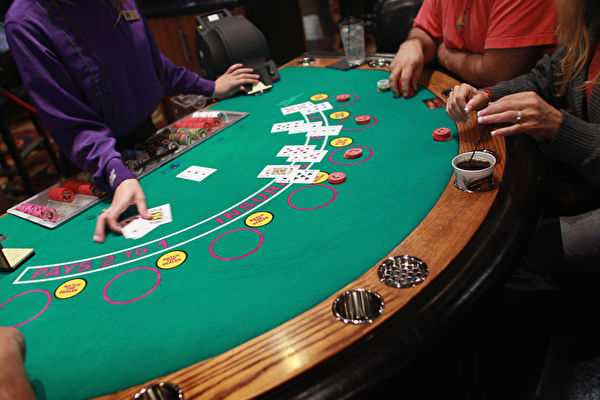
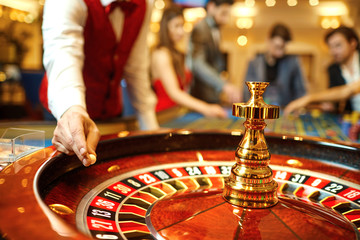
The 20th century heralded a significant transformation in the gambling landscape, particularly with the establishment of casinos. Las Vegas emerged as the epicenter of casino culture in the United States, with the legalization of gambling in Nevada in 1931 paving the way for its explosion in popularity. The glitz and glamour of casinos attracted not only gamblers but also tourists, turning Las Vegas into a global destination for entertainment and leisure.
The post-World War II era saw an unprecedented expansion of casinos, with other states beginning to follow Nevada’s lead in legalizing gambling. Atlantic City, for instance, emerged as a rival gambling hub in the 1970s, showcasing the growing acceptance of casinos as legitimate entertainment venues. This period was marked by significant investments in casino infrastructure, creating vast complexes that offered not only gambling but also dining, shopping, and live performances, thus enhancing the overall experience.
As gambling gained traction, various forms of gaming emerged, including slot machines and electronic gaming devices, which appealed to a broader audience. The rise of Native American casinos in the late 20th century further diversified the gambling landscape, as tribes sought to leverage their sovereignty for economic development. This movement was instrumental in reshaping the gambling industry in the United States, leading to a boom in casino establishments across the country.
The Digital Age of Gambling
The advent of the internet in the late 20th century revolutionized gambling once again, leading to the emergence of online casinos. The first online gambling platforms launched in the mid-1990s, allowing players to engage in their favorite games from the comfort of their homes. This shift not only broadened access to gambling but also ushered in new technologies, such as live dealer games and mobile gaming, changing how people interacted with gambling.
As online casinos gained popularity, regulatory frameworks began to emerge to ensure fair play and consumer protection. Countries around the world started to adopt legislation governing online gambling, creating a safer environment for players. The convenience of online gaming appealed to a new generation of gamblers, who were drawn to the variety of games and promotions available. This digital transformation also allowed for innovative betting options, such as in-play betting during live sports events.
The rapid growth of online gambling has led to a hybrid model, where land-based casinos and online platforms coexist. Many traditional casinos have embraced technology by offering online versions of their games, creating a seamless experience for players. The evolution from physical to digital gambling illustrates a significant shift in consumer behavior, highlighting the importance of adapting to the changing landscape to stay relevant in the industry.

Join the Modern Gambling Revolution
As we explore the journey of gambling through history, it is evident that this activity has continually evolved to reflect societal changes. From ancient practices to the digital age, gambling has adapted to meet the desires of players across different eras. Today, platforms like Shuffle provide an exciting glimpse into the future of gambling, offering innovative experiences tailored to modern players.
At Shuffle, players can unlock a multitude of rewards and bonuses designed to enhance their gaming adventures. With a comprehensive understanding of both online and traditional casino experiences, Shuffle empowers users to make informed choices and maximize their enjoyment. As the landscape continues to evolve, platforms like Shuffle are at the forefront, providing cutting-edge technology and engaging gameplay.
Whether you are a seasoned gambler or new to the world of gaming, the historical evolution of gambling showcases a rich tapestry of experiences waiting to be explored. Embrace this journey through time and discover the endless possibilities that modern gambling has to offer today.
















Recent Comments